



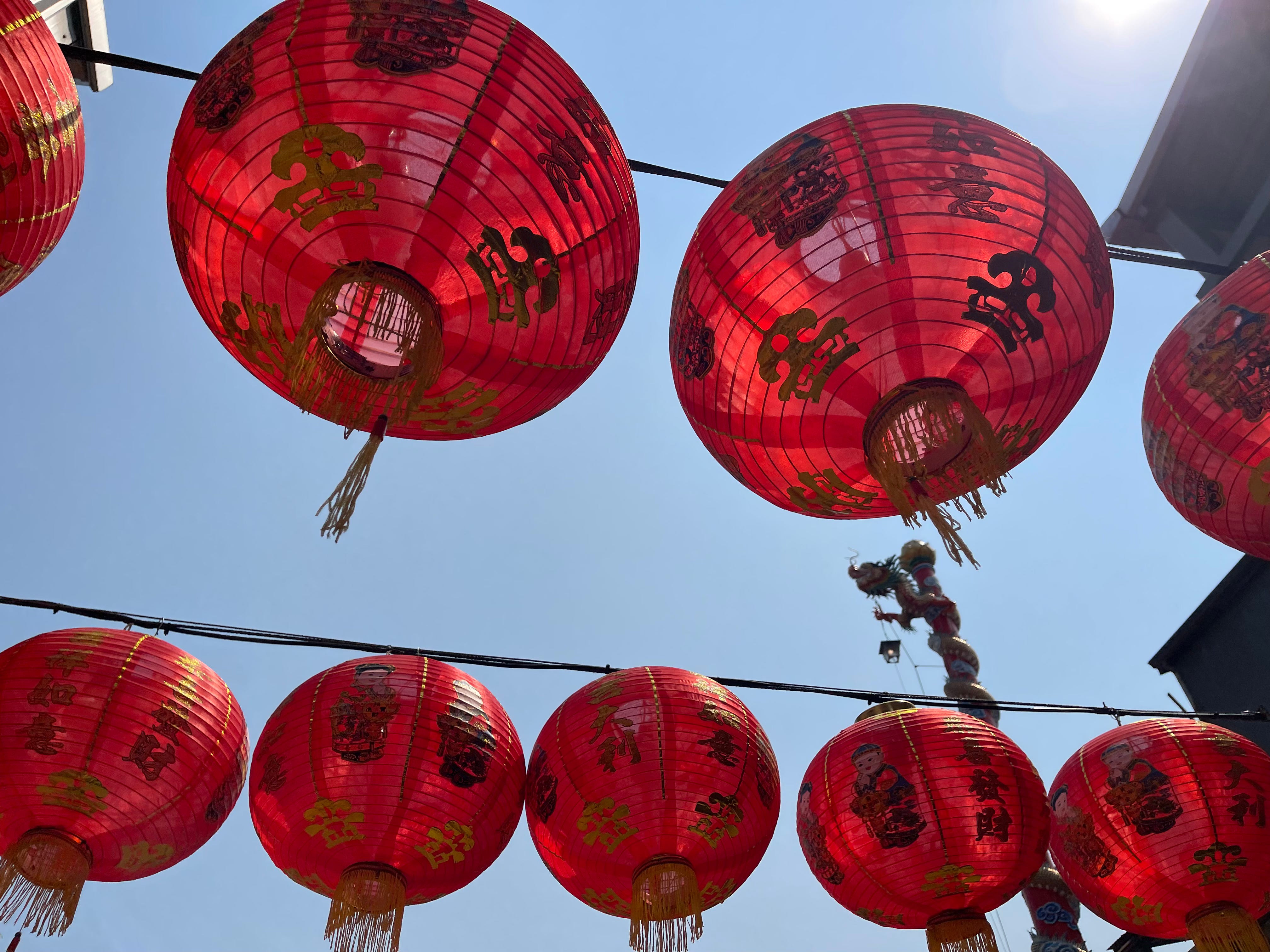
As the Year of the Horse gallops into 2026, the neon-lit arteries of Bangkok’s Chinatown, Yaowarat Road, pulse with a specific, frantic energy. For the Thai-Chinese, this isn’t just a seasonal festival; it is a spiritual recalibration. While the main drag sees the grand parades, the “real” Bangkokians are found weaving through the alleys, balancing bags of dried persimmons and bundles of incense.
To navigate Yaowarat during the Lunar New Year is to navigate the “Dragon’s Belly.” Here is how a local spends their Lunar New Year holidays in the heart of the old city.
The Shopping Rituals
Lee Ha Huad


No Lunar New Year table is complete without the auspicious stickiness of Jan Aap (Chinese mixed candies). This is the go-to spot for traditional Teochew snacks. Look for the stacks of packaged dried candies; the sweetness represents a smooth year ahead, and the stickiness symbolizes family unity.
Teo Sun Seng


Before the festivities begin, the “spirit bank” must be visited. This shop is a treasure trove of joss papers. You’ll find locals meticulously selecting paper replicas of gold bars, designer shirts, and even luxury cars to burn for their ancestors. The scent of sandalwood and the crinkle of gold-leaf paper define the atmosphere here.
Chinatown Old Market (Talaat Kao)


To experience the true sensory overload of the festival, dive into the Old Market. This narrow alleyway is the pantry of the Thai-Chinese community. Inside, you will find baskets of “Golden Oranges,” dried abalone, and the highest-grade bird’s nest.
It is loud, crowded, and smells of dried shiitake and roasted chestnuts. It’s where the city’s grandmothers haggle over the price of Gau-ki (goji berries) with surgical precision.
Spiritual Anchors
Leng Buay Eia Shrine
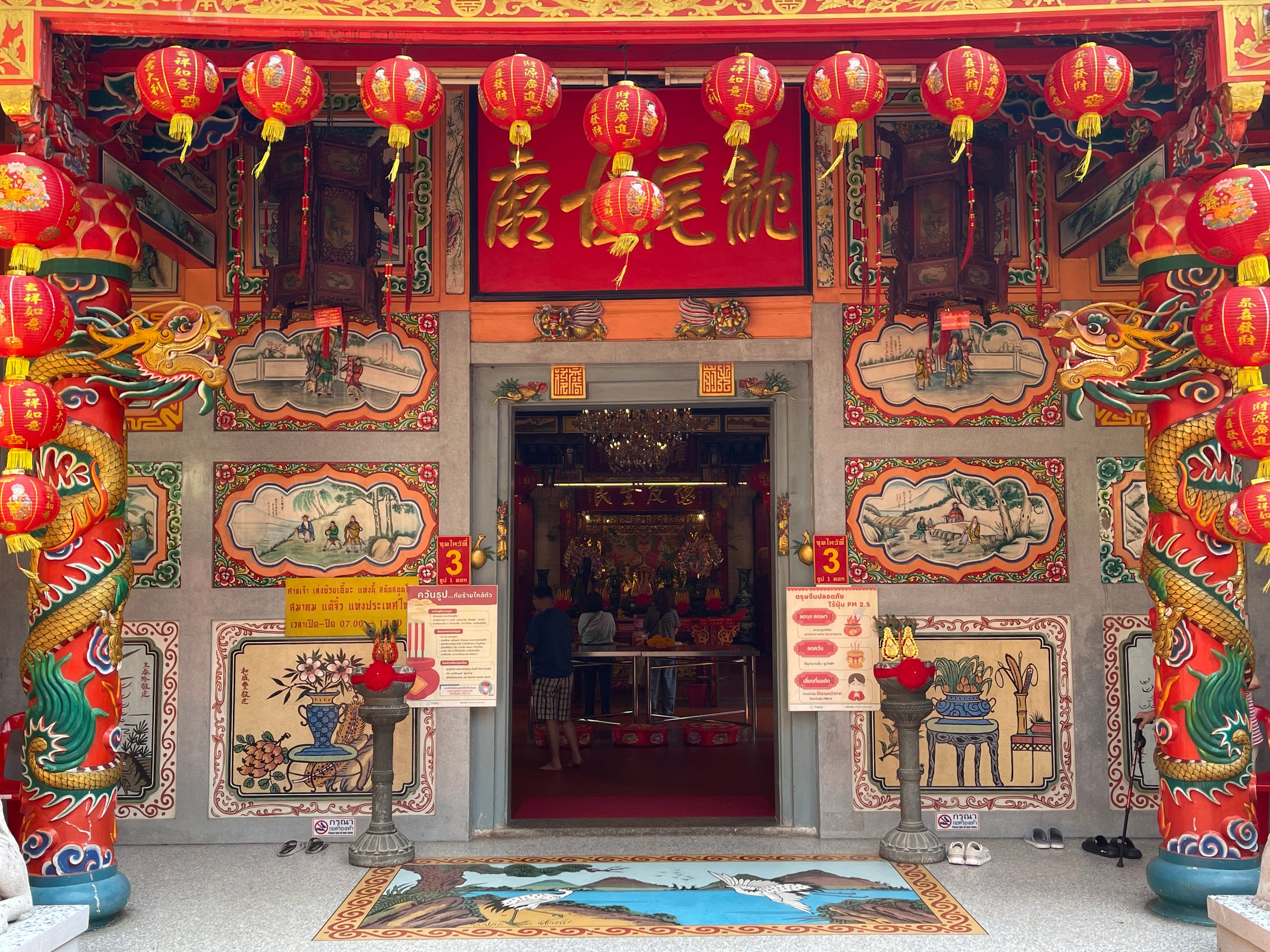
Hidden within a small alley off the main market, this is arguably the oldest Chinese shrine in Thailand. While tourists flock to the larger temples, locals come here for a more intimate connection.
Pay respects to the Teochew deities by offering red oil lamps to keep your “life light” burning bright. See the intricate ceramic dragons encrusted with colorful mosaics, a masterpiece of Qing Dynasty-style architecture tucked away from the modern skyline.
The Family Feast
Hua Seng Hong


After the prayers and the shopping, the family congregates. This restaurant is a Yaowarat institution, recognizable by the steam rising from the dim sum baskets at the entrance. The clatter of porcelain and the rapid-fire Teochew-Thai dialect create the soundtrack to a successful New Year reunion.
A local’s table isn’t complete without the Braised Goose or their signature Shark Fin Soup(though many now opt for the equally delicious bird’s nest or fish maw).
How to get there
MRT: Take the Blue Line to Wat Mangkon Station. From there, use Exit 1 to walk directly into the heart of the festivities.
Boat: Take the Chao Phraya Express Boat to Rachawongse Pier and walk up Rachawongse Road to reach the intersection of Yaowarat.