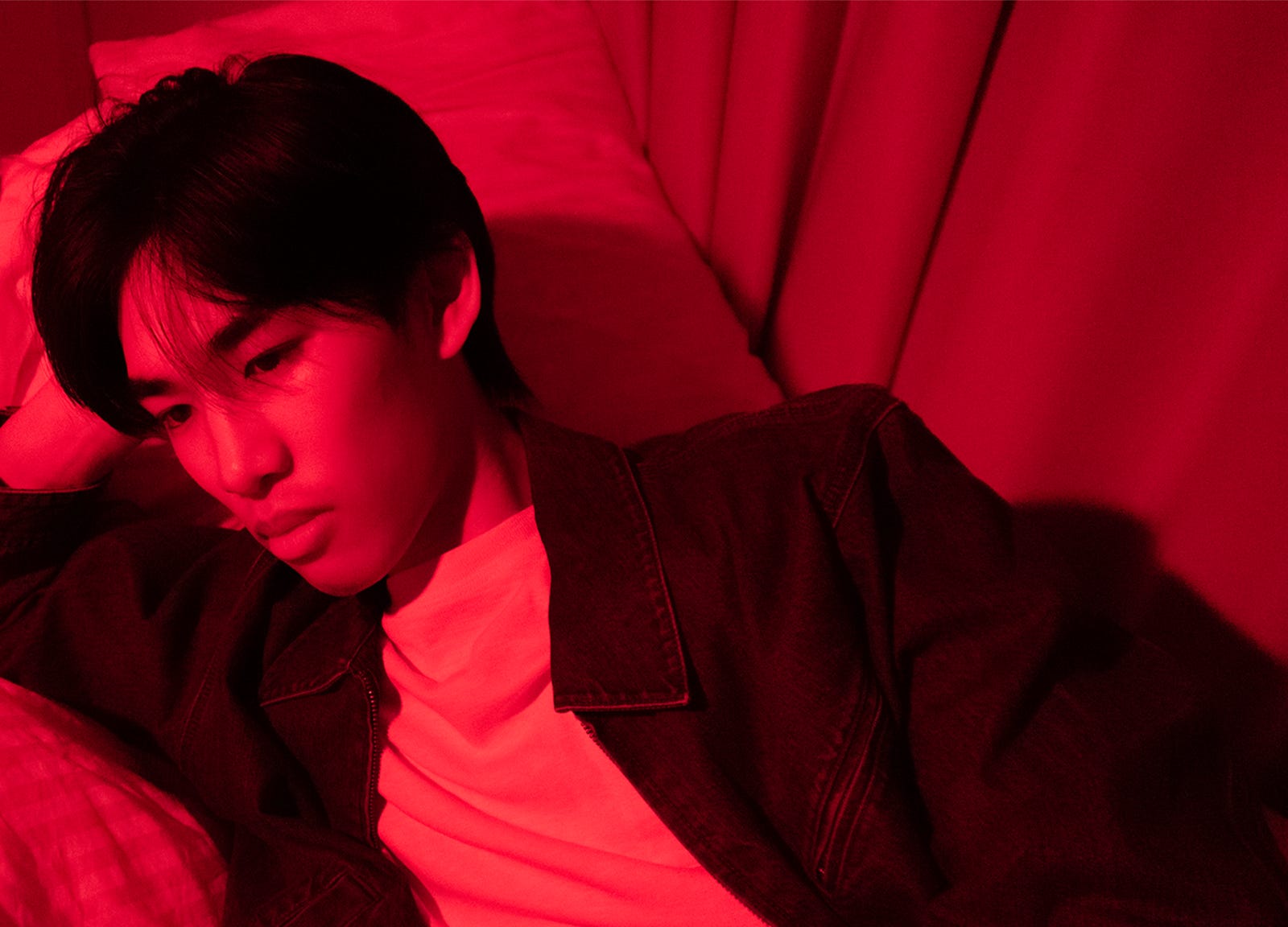





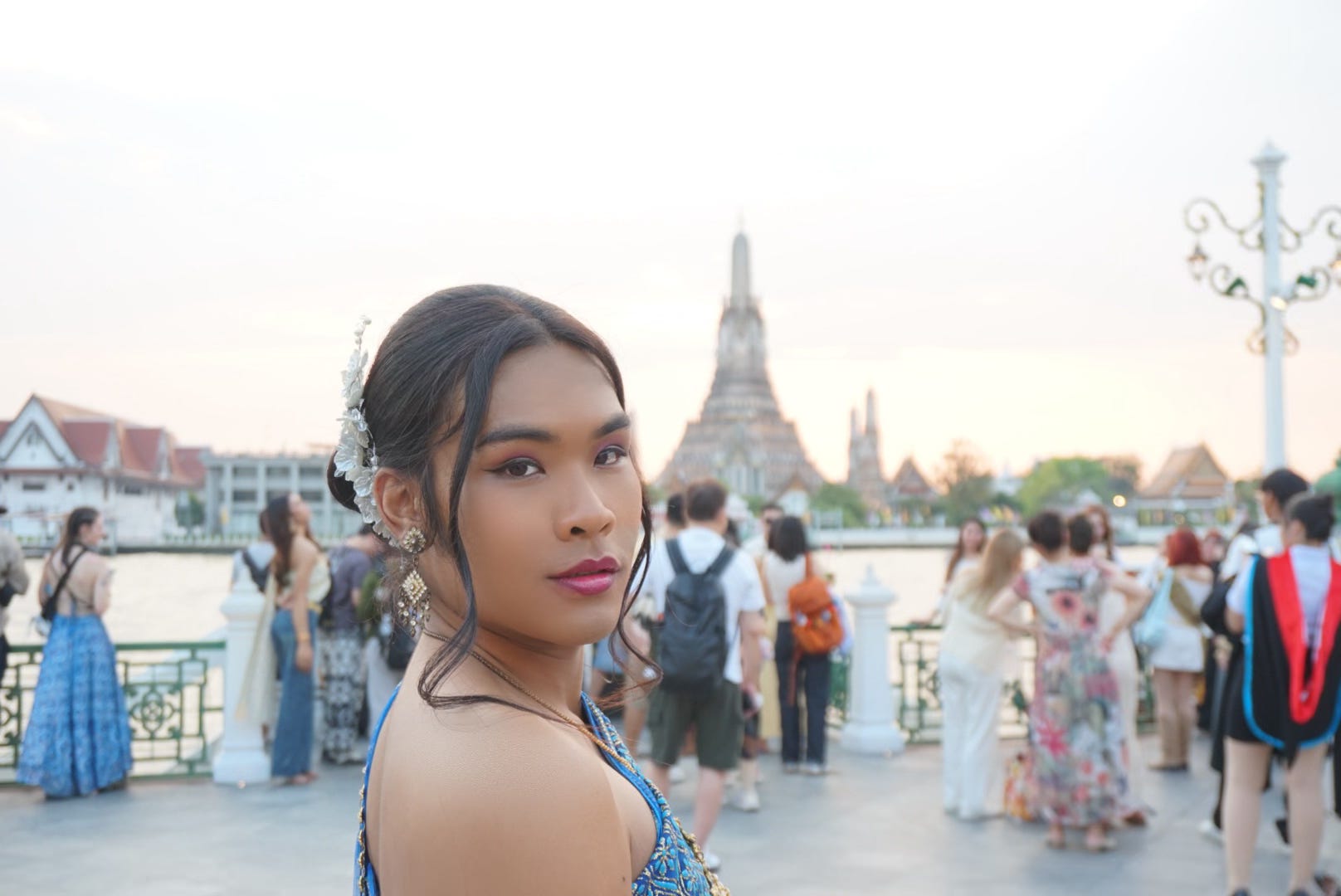
The Sabai has always been so much more than a garment. Throughout Southeast Asia, where it has taken many shapes and worn on occasions, it embodied grace and cultural continuity. But its footprint in the mainstream fashion landscape for decades had been relegated to ceremonial occasions, traditional dance performances, weddings, or state events. Today’s revival feels different. Click through social media feeds, go to a Pride march in Bangkok, or stroll through creative districts, and you’ll see Sabai in styles that defy convention. Draped over a relaxed, white ribbed tank and high-waisted jeans. Enclosed asymmetrically over a bespoke suit. Rendered in sheer fabrics, metallic threads, and handwoven textiles dyed in neon colors. It’s not that you might feel nostalgia for the brand, but that it is a different story. That is reinterpretation.
The answer, increasingly, is yes.
Fashion as a Site of Identity
For many of these LGBTQ+ people, clothing has also always been more than a form of beauty. It is armor, language, and liberation. In a culture that can be overly prescriptive about what the presentation of gender can be, fashion becomes a vehicle through which people express themselves. The recent Sabai has become part of this story. Wearing a Sabai by queer individuals, however, forces us to confront established beliefs that the attire we wear must abide by binary gender norms or at least stay so. Once identified with femininity, it now hangs across multiple forms, from non-binary creatives to gay men to trans women to gender-fluid youth. All styling it in a way that represents their truth.


Thailand is known for its cuisine, beaches, and hospitality. But in the last few years, dialogue around “soft power” has grown to include the fashion and creative industries. And the return of the Sabai to the contemporary styling aesthetic can mirror this transformation. Young designers are exploring cut and texture. Stylists are stacking Sabai atop crop tops, harnesses, and structured blazers. Photographers are capturing silhouettes that are at once ancient and futuristic. By situating the Sabai within modern streetwear and queer expression, Thailand presents a more multifaceted character to the world. This reflects an attitude that embraces its cultural roots and diversity but is open to change. It suggests confidence; we are not frozen in time.
Between Heritage and Experimentation
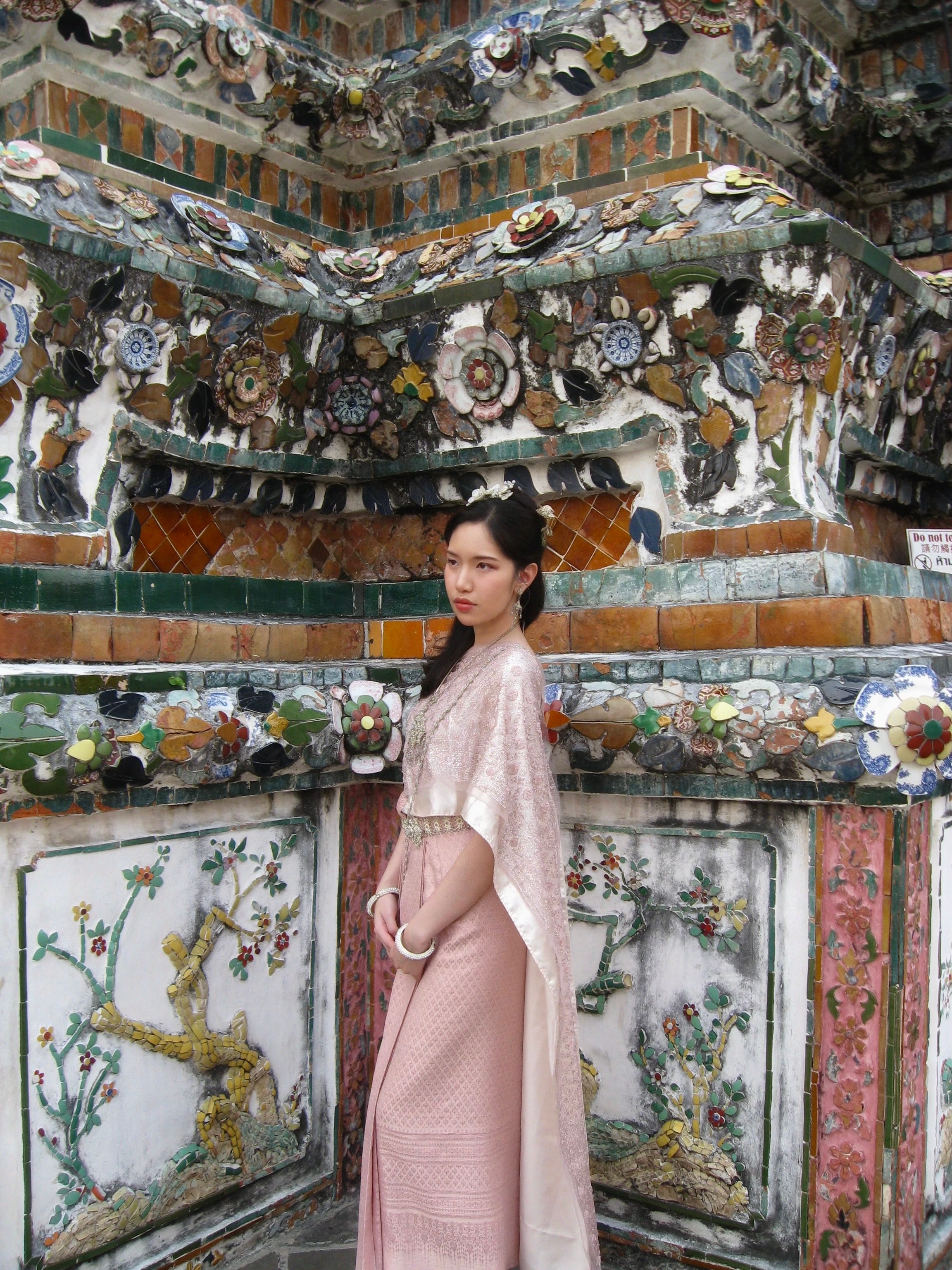
But what makes this moment powerful is not just that the Sabai has returned; it is who is reclaiming it, and how. Historically, traditional clothing was also presented as static relics that got preserved behind glass or placed on those occasions that required reverence. They were symbols of national identity, yes, but seldom instruments of self-reflection. Today’s wearers view the Sabai in another way. They fold it, knot it, crop it, layer it, and skew its symmetry. They refuse to think of it as fragile. And by doing so, they broaden its meaning. The Sabai is less about recreating the past and more about speaking with it. A young designer could weave traditional silk with experimental dyeing techniques. This sort of thing could be paired with combat boots by a queer stylist. An image photographer could frame it on Bangkok’s concrete skyline rather than a temple background. The message is quiet yet clear. Tradition is not a cage; it is raw material. And this change implies the current generational mindset. Young Thais can no longer settle for a “modern” vs. “traditional” choice. They are completely collapsing the binary. The Sabai, once coded conservative or ceremonial, now acts as a blank canvas for hybridity.
Visibility, Not Just Acceptance
There is also something significant about visibility. Thailand has historically had a facade of tolerance of LGBTQ+ communities. But tolerance does not equal full social integration. When queer bodies have comfortable access to iconic cultural symbols, not just Western-style fashion, but very Thai textiles, it is a remapping of belonging. It says,
We are not outside the tradition. We are part of it.
A non-binary artist who draped a Sabai across a shoulder at a Pride parade isn’t shunning or rejecting Thai heritage. They are rewriting who gets to represent it. The trans woman styling Sabai in a high-fashion editorial is not disrupting culture; she’s broadening its visual lexicon. The dress becomes political without being loud. It does not shout. It drapes.
The Future of Thai Aesthetics
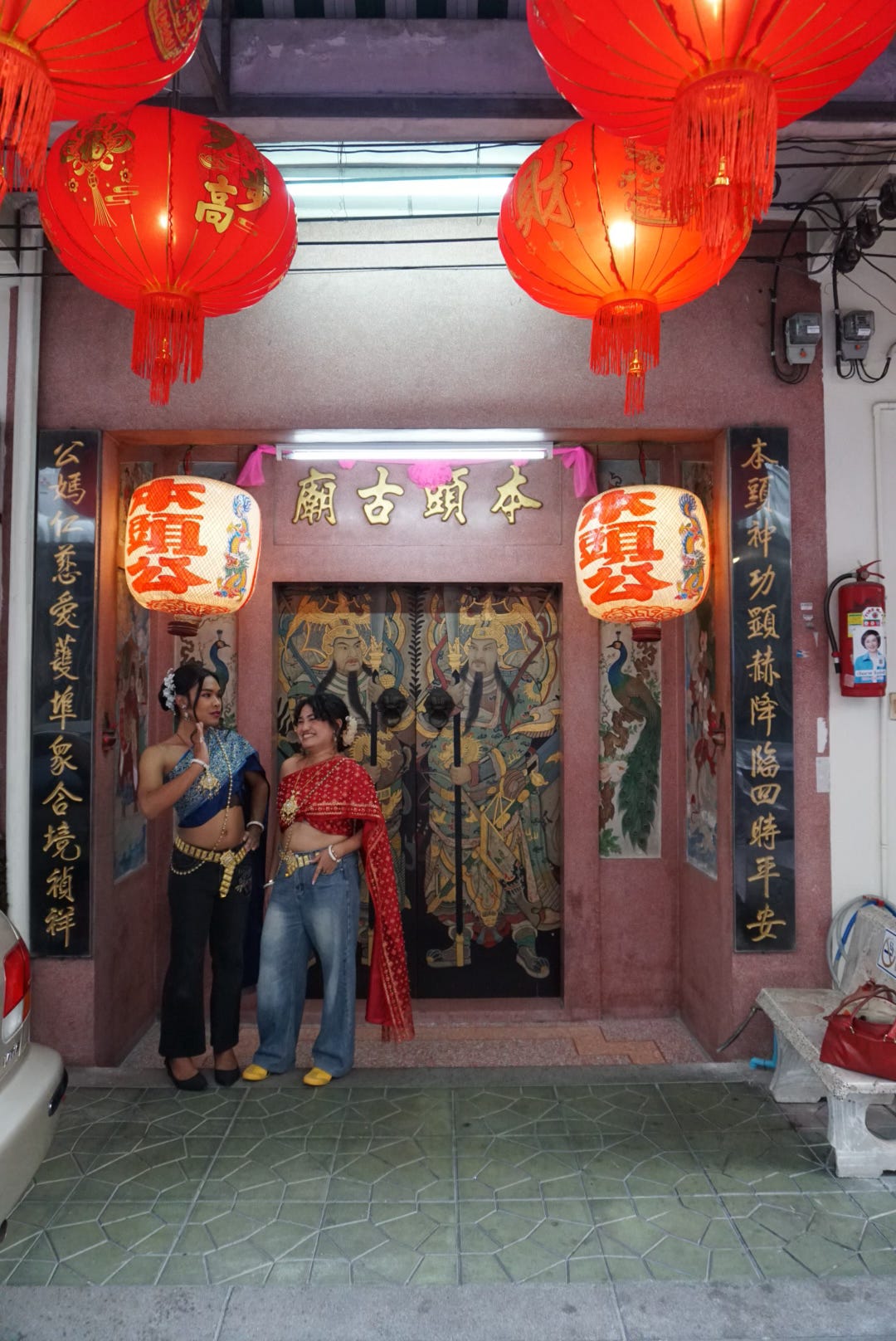
What we are witnessing might tell us something about the evolution of Thai aesthetics. Not a departure from history but a rebalancing. The world’s fashion cycles are always in pursuit of novelty. But Thailand’s creative ecosystem seems to be finding something more sustainable, innovation that emerges from a heritage. The resurgence of Sabai tells us that cultural symbols are not something we need to dilute to feel fresh. They must be reimagined, and the courage not to be worn the way others have done. Maybe this is the quiet strength of the movement. It does not seek to borrow from tradition, nor does it forsake that tradition. It contains both adoration and defiance, wrapped in the same sheet of fabric. The Sabai now travels in streets, studios, and stages, where it was once confined to ceremony. It changes with the body that bears it. It embodies the identity of the moment. And through that movement, it displays something important,
An untouched culture is not something to preserve. It survives being lived in.