




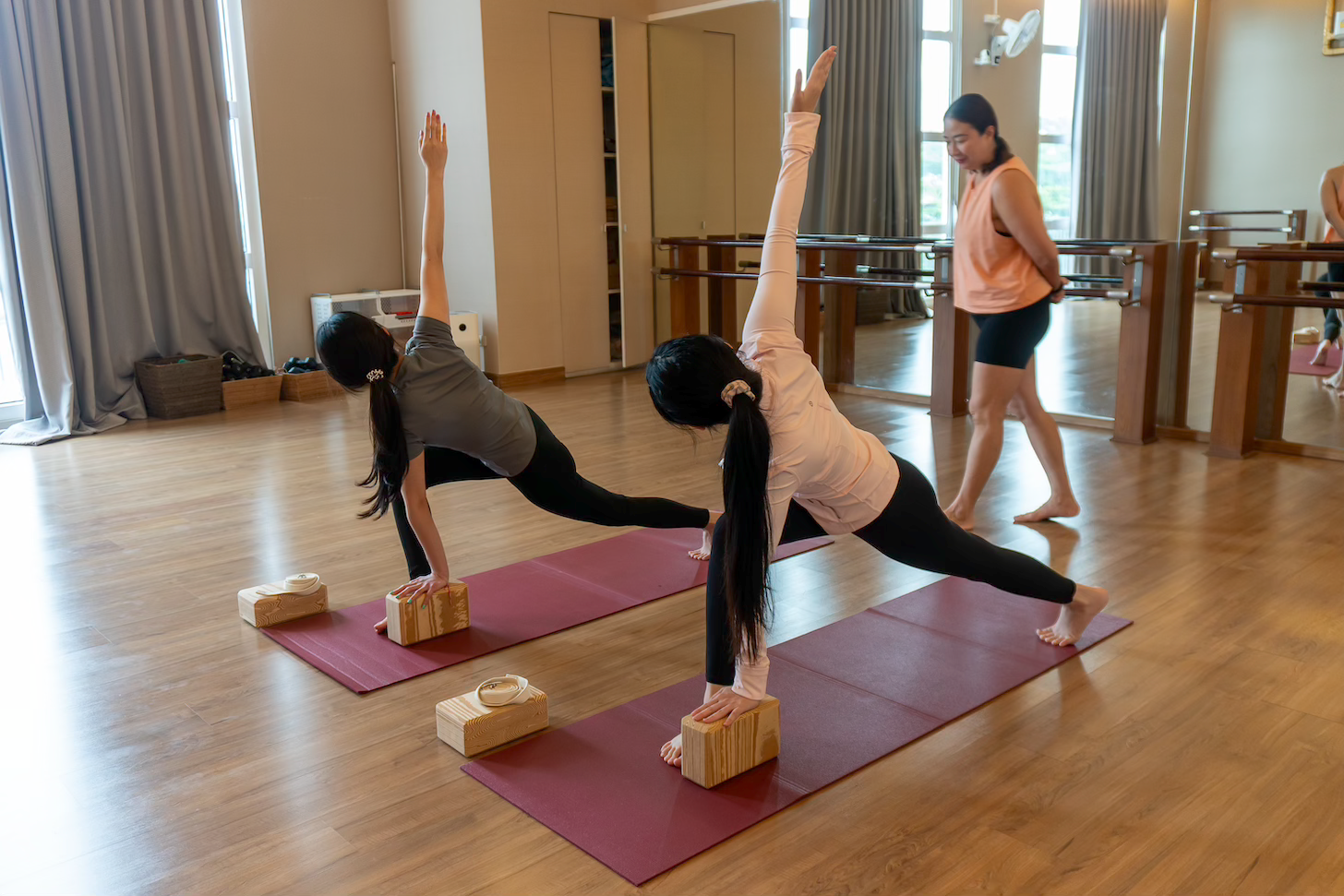
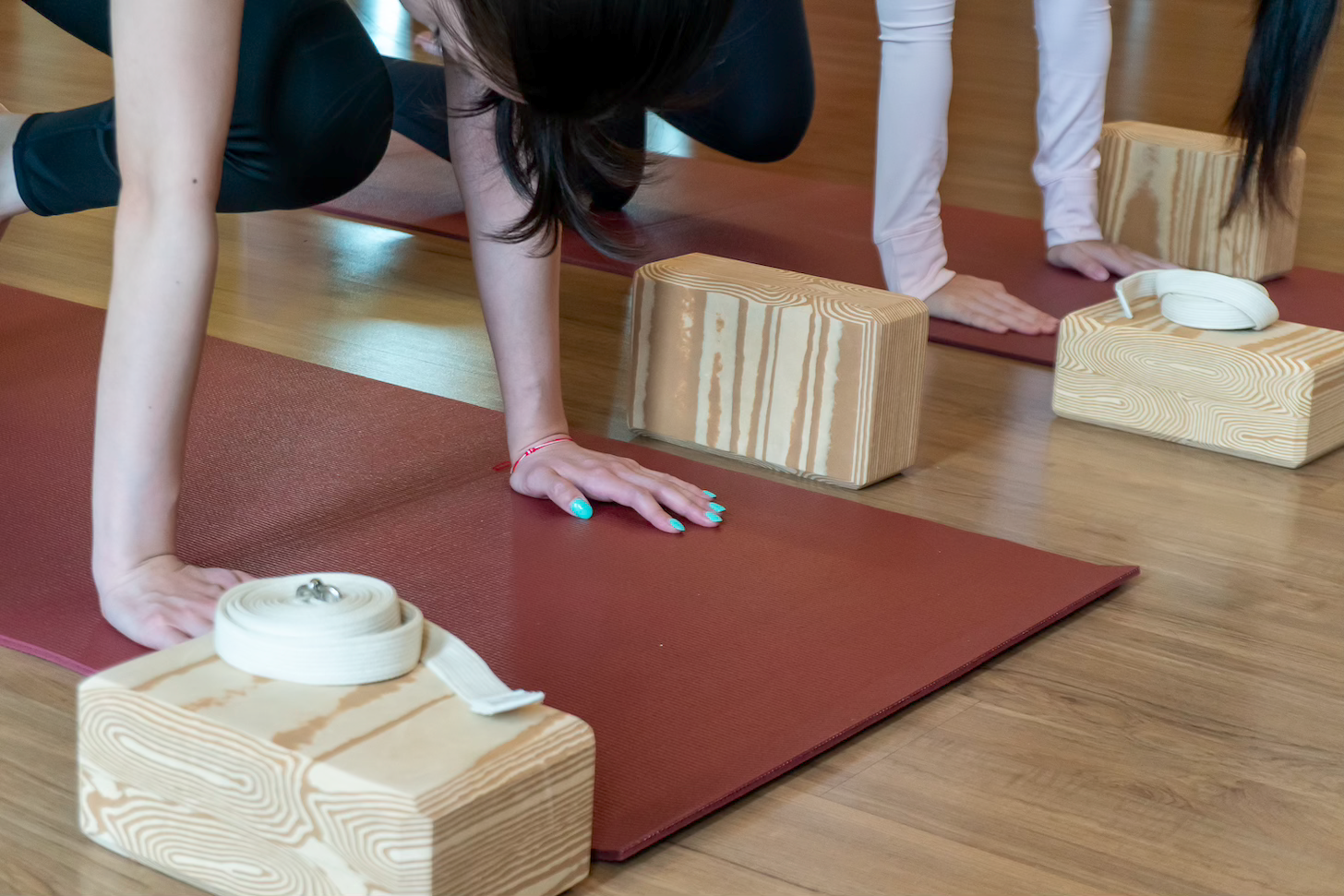
Two ankles give up on the floor, stiff and heavy against gravity. The other two press softly beneath hamstrings, warm against flesh. Two legs fold inward, with two palms down on the parting knees. Through contact, three things find their ground. Successively, breath turns light and thin, guiding the mind back into the skin. Within a heartbeat, the self becomes clear, and the fear of the outer world becomes null.
Nonetheless, wellness is never static. It evolves, fluctuates, and impels us to attend. It demands time to be understood, maintained, and tackled. A practice that worked out four months ago might not serve who we are today. As such, routine adjustments can grow tense and become hurdles, where debates over time management and prioritization dominate conversations throughout adolescent and adult life.
Across generations, the so-called Generation Z is the latest demographic group that voices their goings-on through social media the most. Their early exposure to the virtual world allows the public sphere to feed on their presence in real time, which creates new sets of values around connectedness that previous generations find themselves scrambling to internalize. In particular, Thai Zoomers often process trauma and personal growth collectively with their peers, resorting to online communities to heal, unlike older generations who frequently view resilience as a private individual endeavor in fear of its ugliness.
Still, 24/7 connectivity is the other side of the same coin; the same screens used for community care also subjects them to doomscrolling and media fatigue. With feeds built on employability anxiety, economic distress, and political unrest, Gen Z are driven to the edge of burntout. Online coping then can be reaching its limit. To step out of this cycle, they are logging off to be back on the ground, reclaiming their peace in places where healing is shared in the physical world.
With the rise of Gen Z wellness seekers, the concept of the third space has never been more emphasized. This very framework underlies the establishment of Yoga & Me, a Bangkok wellness studio that has, however, exercised its ethos for over 14 years and now resonated more than ever. In a city battered by relentless modern pressures, places that offer a restorative breath of relief remain far too untapped. Yoga & Me is thus pivoted on the notion that holistic health should be accessible to everyone, regardless of body shape, capabilities, age, or experience.
What Gen Z customers deem viable is the balance between facts and fun. According to Yoga & Me, elaborations on how working out helps regulate hormones can be as important as how Instagrammable the training program is. Showing off a Pilates session on Stories is just as essential as broadcasting an intentional day off. Wellness has become a loud lifestyle statement that Gen Z takes pride in, influencing Yoga & Me to build their media feed on educational content, not just promotional advertisements.
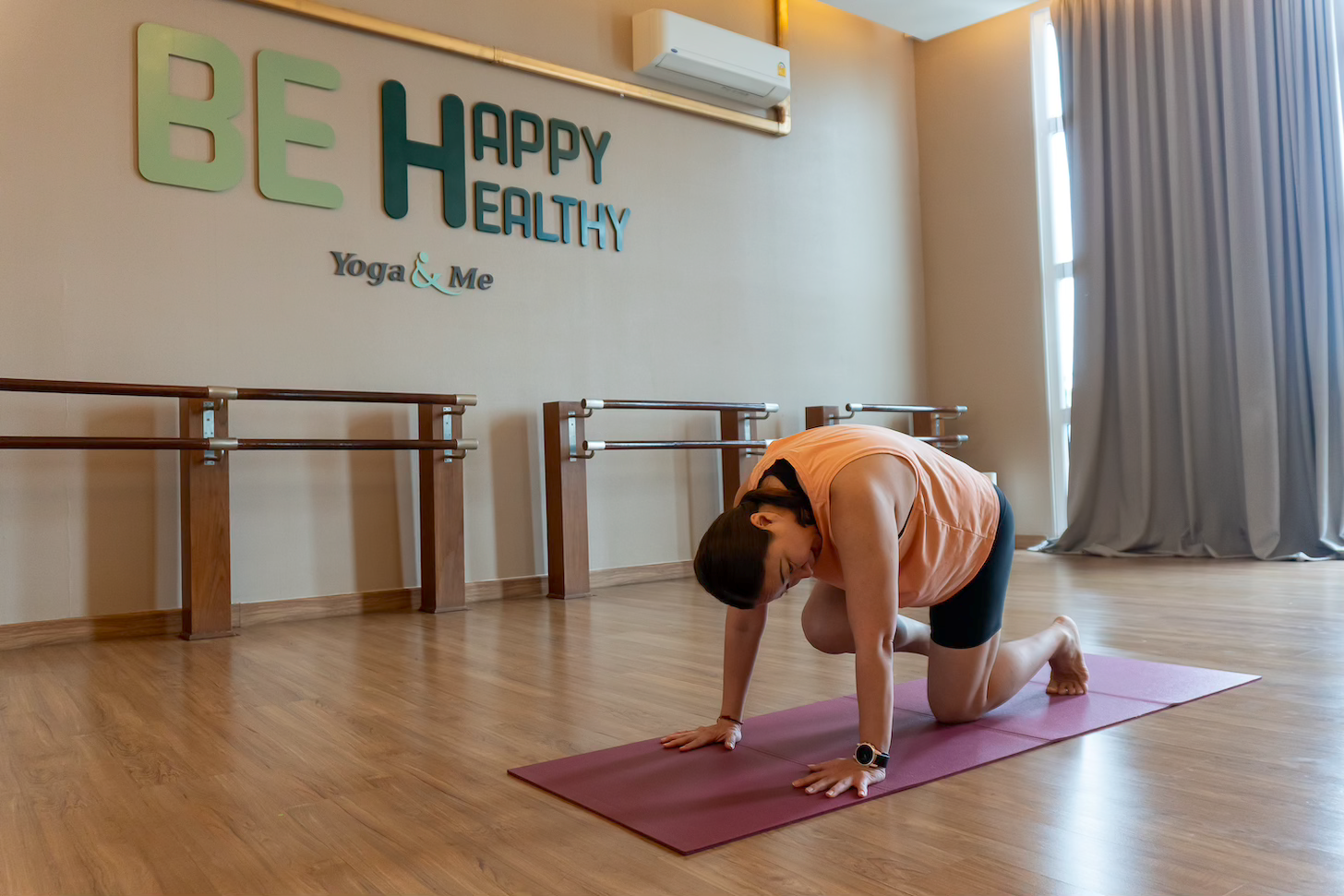
Generation Z is discerning when it comes to self-care. Their behavior is deeply informed by the health algorithms on their screens. In turn, the progress of the wellness industry is shaped by their expectations. By creating informative Reels, Yoga & Me cultivates credibility among Gen Z customers in an engaging way. The studio attracts a new generation of wellness practitioners through organic digital word of mouth, which is amplified by peer shares in their own circles. This power of genuine recommendations inspires Yoga & Me to curate memorable training classes that center on safety, quality, and consistent care in service, in an era when any personal experience can instantly be shared with the world.
Wellness, according to Gen Z, is therefore indispensably associated with communities. Gyms are one of the perfect third-place examples where Gen Z is looking for in-real-life friends to stave off the loneliness that hyper-digital connectivity tends to leave behind. They love to do group training with friends, as stated by Yoga & Me, hence the introduction of the Friend Get Friend campaign, which rewards current customers when they bring in new customers. In fact, their Z practitioners demonstrate a preference for meaningful memberships, which is inferred from positive feedback on milestone-based rewards over conventional percentage discounts.
At a final glance, the youth of this era hunt for both social and spiritual acceptance as a component of success just like the older generations did in their prime, but it is their playbook that distinguishes their game. The end goal, however, remains unchanged: bringing the pursuit of happiness to life. The Easy Pose or Sukhasana, cued in the opening lines, embodies the grounded (Asana or sit), unhurried joy (Sukha) the wellness wave rides on. Yet, contentment hardly depends solely on a state of mind, but on the communities we are in, and Gen Z is transforming our means of finding it together.
Check Yoga & Me out for a variety of affordable training programs from Trampoline and Barre to Pilates, Gen Z’s favorites. The studio prioritizes inclusivity, quality, and safety to foster long-term relationships with customers in a warm environment. Everybody is welcomed at this safe space to practice self-care no matter how knowledgeable or discouraged you are. Take a small first step today and meet them at Kaset, Ratchaphruek, or Ari.
This article came from The Bangkokian Fall 2026 Issue, read the full magazine here.