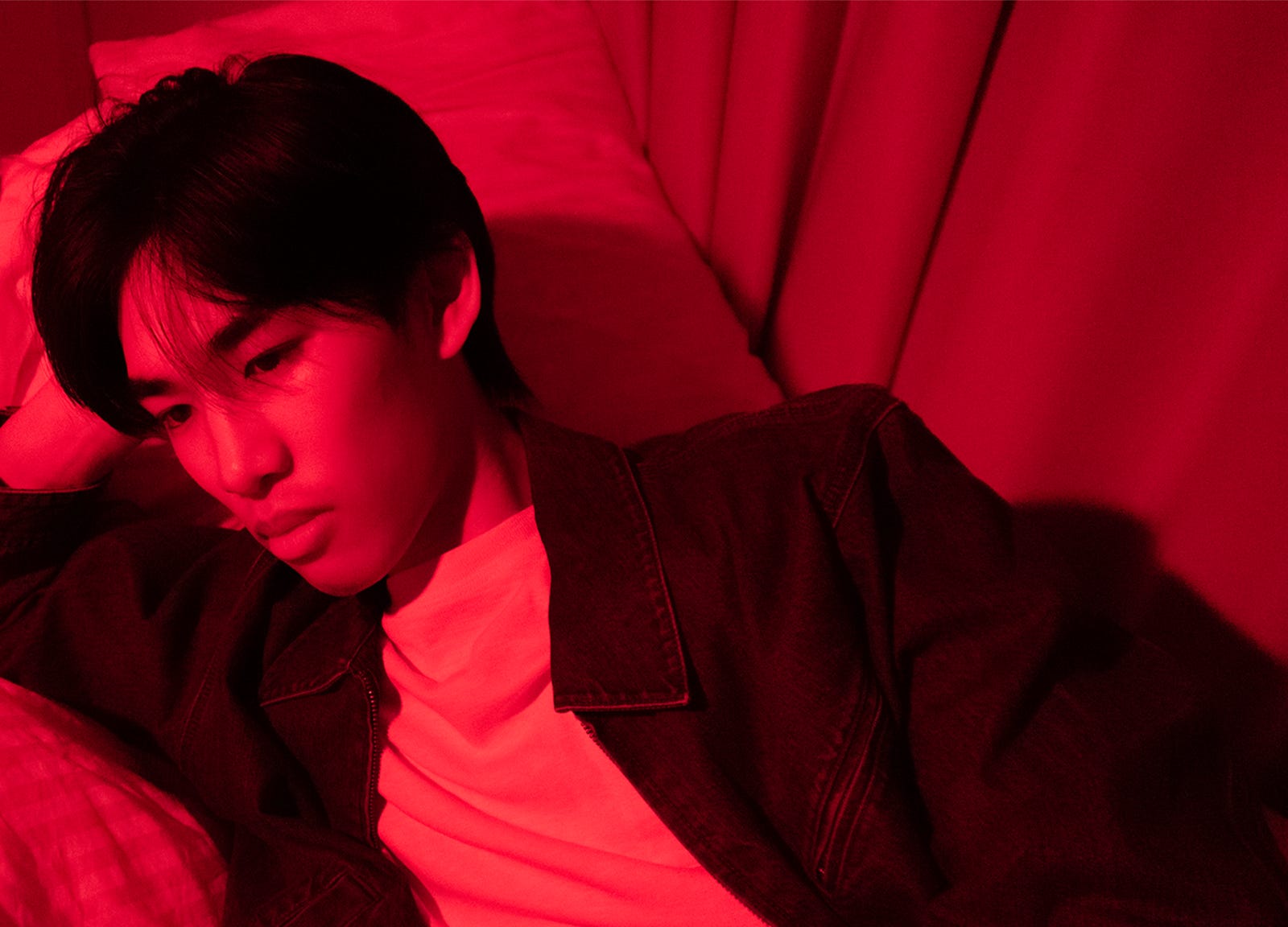





2:17AM in Silom and the city is mid-sentence. Drag lashes caught in phone screens. A hand met, held for three seconds, then released like it was never there. Outside, the city keeps going like it always does. The night outside is still deciding what it is. Along the roads, motorbikes cut through wet heat, their engines mixing with laughter bleeding out from a club that technically closed an hour ago.
This is the version of Bangkok they don’t put in the tourism deck, flattened into fantasy, drained of consequence. Tolerant. Tropical. Obedient. Words that do the work of saying something while meaning nothing. Tolerance isn’t equality. Visibility isn’t safety. A nightlife scene is not a legal framework.
But Bangkok has never really needed your framework.
There’s a freedom here that exists in the gaps between family dinner and 4AM, between what’s performed and what’s felt, between the self you were assigned to and the one you’re building in real time. For queer Thais, and especially for those who arrive from provinces where difference is still treated as something to be corrected, Bangkok is where identity becomes breathable. The city offers anonymity. Reinvention. The particular mercy of being unknown.
And yet, the same city that lets you perform can still demand you disappear. Class determines who gets to be visible and who pays for it. Rural queer kids arrive carrying the fear that doesn’t dissolve just because there’s a Pride parade going on. Trans life is everywhere in Thai pop culture: on stage, on screen, in the beauty aisle. To be loved by a culture and protected by its laws are two different things. Bangkok has mastered the first. Queerness gets consumed, photographed, applauded, and it doesn’t always get protected.
That tension is the whole story.
What’s happening in Bangkok right now, in the drag nights and the fan fiction forums, and among the fashion kids rewriting gender through clothing, isn’t a movement that looks like Western liberation. It was never trying to. A generation is refusing to inherit silence on its own terms, building new vocabulary for identities that the old words couldn’t hold. Buddhism and neon. Family devotion and private rebellion. Soft masculinity. Hyper-femininity. Everything in between and everything that refuses the between.
Bangkok doesn’t resolve its contradictions. It lives inside them.
That’s what makes it matter, not as escape, not as backdrop, but as a place where the question of what freedom actually looks like is still genuinely open. The pleasure is real, the music, the heat, the rooftop light, the 4AM hunger that only hits when the night is right, the feeling that you could become someone else by the crack of dawn. But underneath is something harder and more interesting. What does it mean to be seen before you’ve been protected? What does visibility cost when the law hasn’t caught up?
The answer isn’t in the postcard. It’s in the charged space between celebration and survival. Where Bangkok’s queer communities have been turning one into the other for years, louder than spectacle, more stubborn than a fantasy.
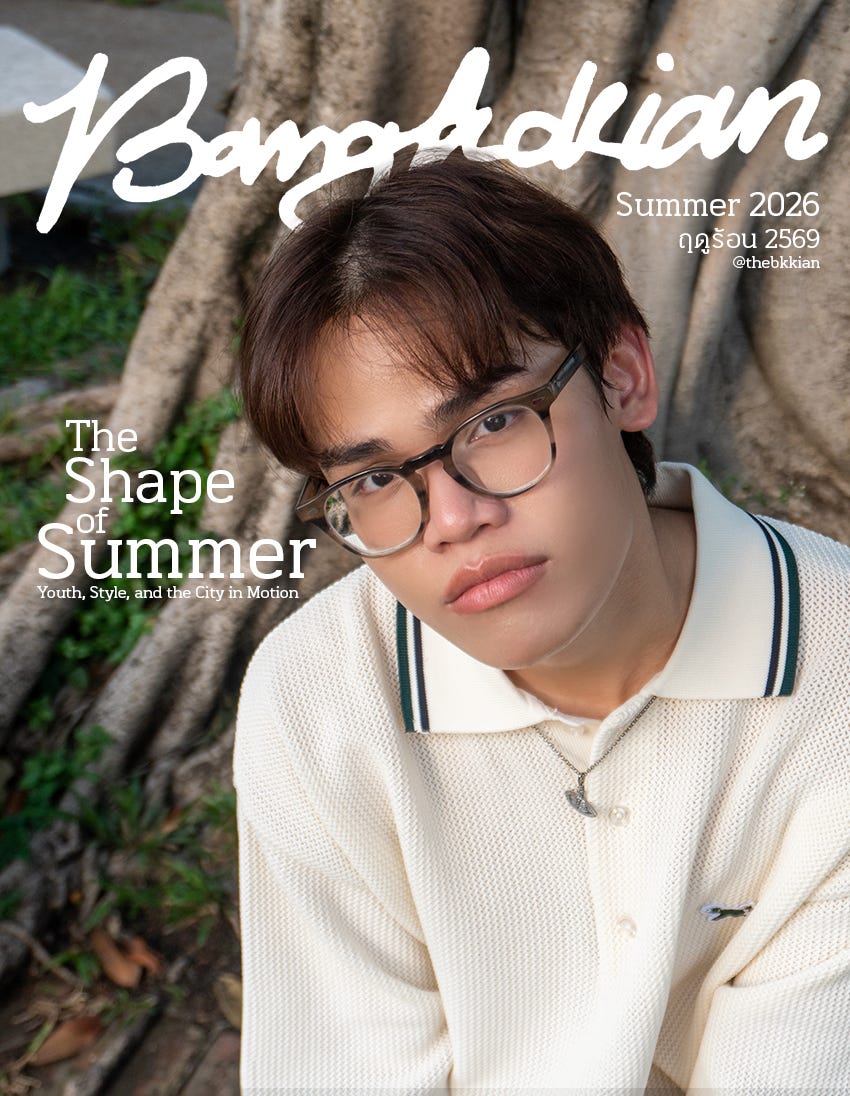
Cover photo by Linnea Hoover.
This article came from The Bangkokian Summer 2026 Issue, read the full magazine here.