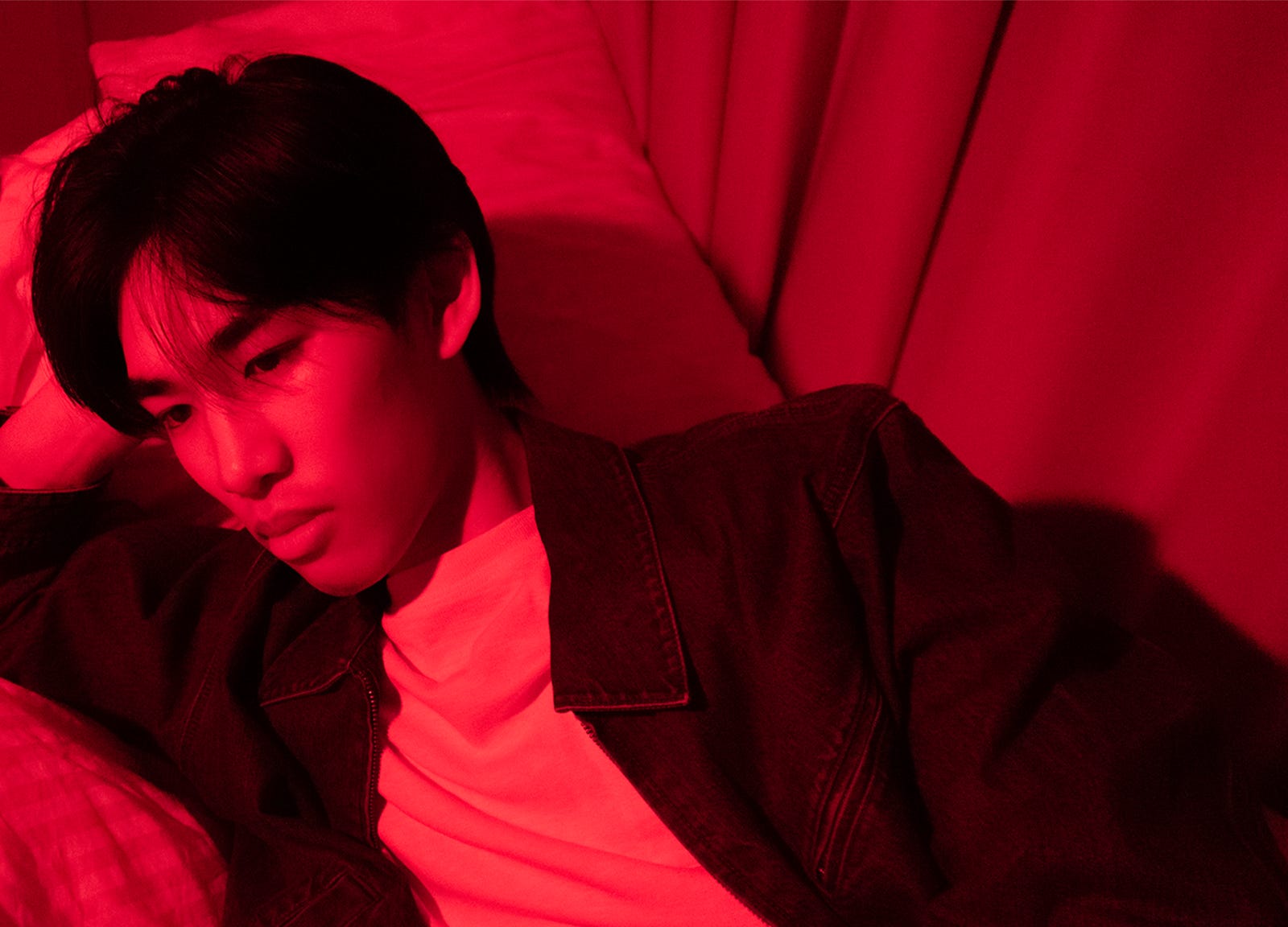




The Boys’ Love (BL) genre may have been born in Japan during the 1970s, but it was Thailand that turned it into a cultural storm. Once a niche category written for women, BL is now a global phenomenon—one that fills stadiums, breaks streaming records, and inspires fans to fly across continents just to see their favorite actors live. Thailand’s relatively open, queer-friendly environment gave the genre the freedom it needed to thrive, and in doing so, it created one of the country’s most powerful cultural exports. But what exactly made Thailand, and with it Bangkok, the heart of BL’s global rise?
Thailand’s Role in Popularizing BL
Thailand is recognized as one of the most LGBTQ+ open countries in Asia, making it the perfect home for BL dramas to grow from subculture to mainstream. Production powerhouse GMMTV launched iconic series such as 2gether, SOTUS, and Bad Buddy, propelling BL into international headlines. Fans became enamored not only with the stories but also with the undeniable chemistry of on-screen pairs. Their playful fan service—whether through teasing smiles, lingering touches, or surprise kisses—blurred the line between fiction and reality, creating the illusion that love might not just be scripted.
Who Watches BL and Why?
On the surface, BL’s appeal may seem simple: two hot guys. But what keeps audiences watching goes much deeper. While the majority of BL fans are women, the genre has also built strong followings among LGBTQ+ viewers who see in these stories a mirror of their own desires, struggles, and hopes.
Unlike traditional romances, BL removes the pressure of comparison to a female lead, while also avoiding tired damsel-in-distress tropes. Instead, it presents equal partnerships, where men are emotionally expressive, vulnerable, and communicative. Many stories begin with friendship before turning romantic, offering love stories grounded in trust rather than instant attraction.
For women, BL is a refreshing break from mainstream narratives—it’s romance without hierarchy, intimacy without objectification. For queer fans, BL provides representation, visibility, and sometimes, for the first time, validation that same-sex love stories can be tender, joyful, and at the heart of the narrative.
The Fandom Machine
If BL dramas are the spark, the fandom is the wildfire. Online communities on Twitter, TikTok, and Instagram amplify every storyline, edit, and kiss. Hashtags like #BrightWin, #MewGulf, and #OffGun trend worldwide, while fans create art, write fiction, and film reaction videos that keep the genre alive long after an episode airs.
The passion can be overwhelming. For many, BL isn’t just entertainment—it’s a community, an escape, and sometimes even a reason to be brave about their own identities.
The BL Economy
Beyond the heart-fluttering romances, BL is now big business. According to SCB EIC, Thailand’s BL market is projected to generate over 4.9 billion baht in 2025, rising from just 0.7 percent of the entertainment industry in 2019 to nearly 4 percent by 2025, with an average annual growth rate of about 17 percent.
The economic ripple is vast. In January 2025, the 8,000-seat Tokyo Garden Theater sold out for GMMTV Fan Fest: Live in Japan, as fans packed the venue to scream, cry, and sing along with their favorite BL stars. Publishing also benefits, with novels adapted into dramas flying off the shelves, while tourism grows as fans travel to visit filming locations. BL actors themselves have become brand ambassadors with millions of followers, turning their on-screen love stories into a production masterpiece.
BL as Bangkok’s Soft Power
More than just entertainment, BL has become one of Thailand’s strongest forms of soft power, and Bangkok is its showcase. The city’s backdrop features prominently in many series, from its bustling streets to its trendy cafes and universities, presenting an image of modernity, creativity, and inclusivity to the world. For international fans, BL often doubles as a window into Bangkok life, making the city itself part of the story.
This cultural export has real-world consequences. By portraying same-sex relationships as natural and heartfelt, BL has helped normalize LGBTQ+ conversations both at home and abroad. In January 2025, Thailand made history by legalizing same-sex marriage—the first country in Southeast Asia to do so. While politics drove the legislation, BL dramas undeniably helped open hearts and spark acceptance, making policy changes feel less like a leap and more like a step forward.
From trending hashtags to billion-baht revenues, from fictional romances to sold-out arenas, BL has evolved into more than just a genre. It is culture, economy, and soft power all rolled into one. Most of all, it is proof that love stories—told authentically and passionately—can transcend borders, shake industries, and change societies.
Reiko Fukui is an undergraduate student based in Tokyo, Japan with a love for Thai pop culture and a curiosity that extends to books, popular trends, people, and the world around her.